Robotics Division Deploys Autonomous Inspection Units Across Three Grid Zones
Dinergy's robotics unit has deployed autonomous inspection units across three grid zones, conducting visual and thermal inspections of transformer stations.

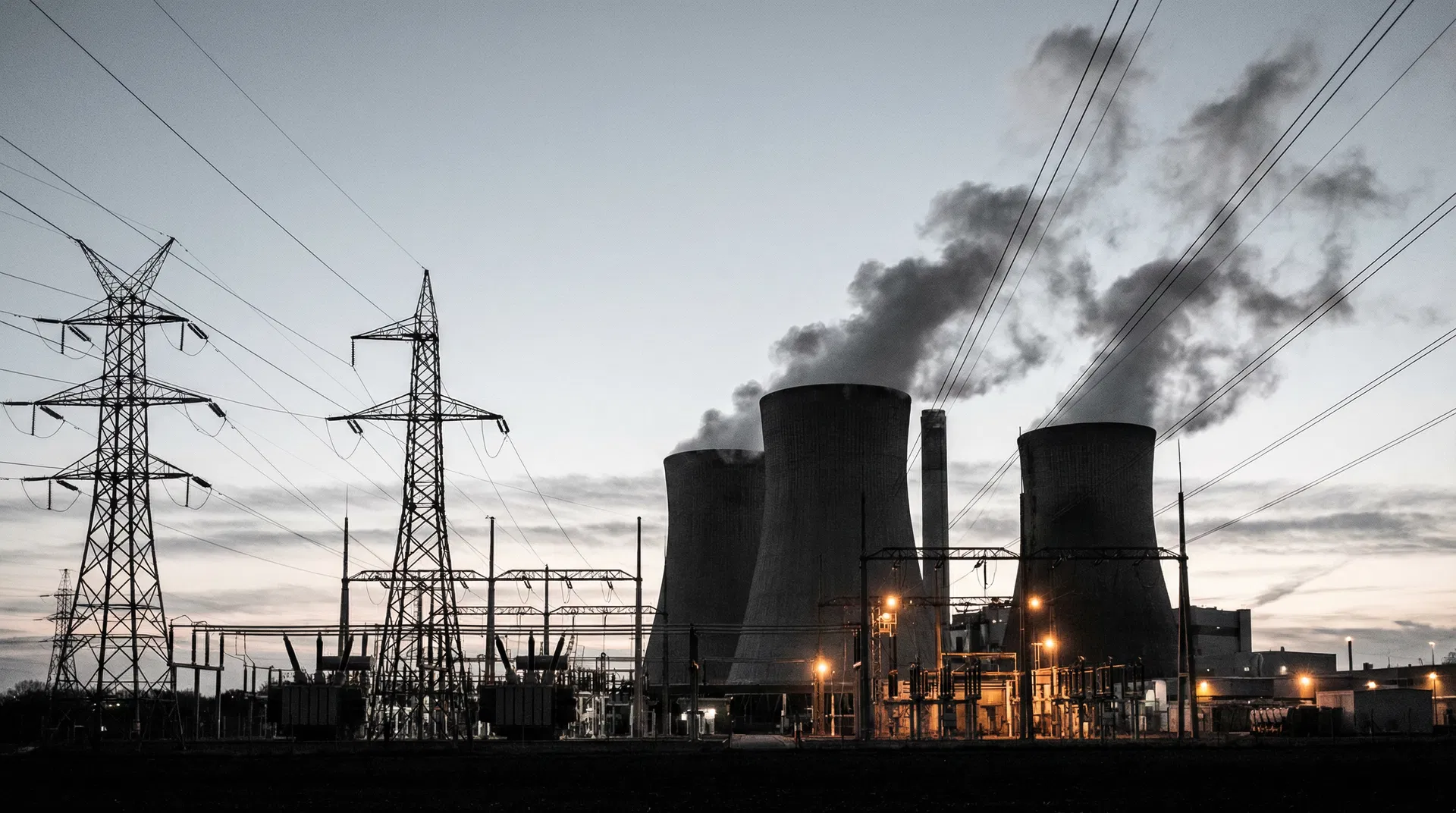
Dinergy's robotics unit, operating under the Robot-as-a-Service model, has deployed autonomous inspection units across three grid zones. The units conduct visual and thermal inspections of transformer stations and transmission infrastructure, reporting anomalies directly to the RONOR platform for analysis. The deployment reduces manual inspection cycles from quarterly to continuous.
Each autonomous inspection unit is equipped with high-resolution cameras, thermal imaging sensors, and LiDAR systems that enable detailed assessment of equipment condition without requiring human presence. The units operate on predefined routes but can be redirected in real time if the RONOR platform identifies an area requiring immediate attention.
"Continuous inspection is a game-changer for infrastructure maintenance," the robotics lead noted. "Instead of checking equipment every three months and hoping nothing goes wrong in between, we now have eyes on every critical asset every day. The data quality is incomparably better."
The Robot-as-a-Service model means that the inspection units are managed as a service rather than as capital assets. Grid operators can request additional inspection capacity during periods of high demand or when specific concerns arise, without the need to purchase and maintain their own robotic systems.
All inspection data is processed through the RONOR platform, where AI models analyze the imagery and sensor readings for signs of wear, damage, or degradation. Anomalies are flagged for human review, and maintenance recommendations are generated automatically based on the severity and urgency of the findings.